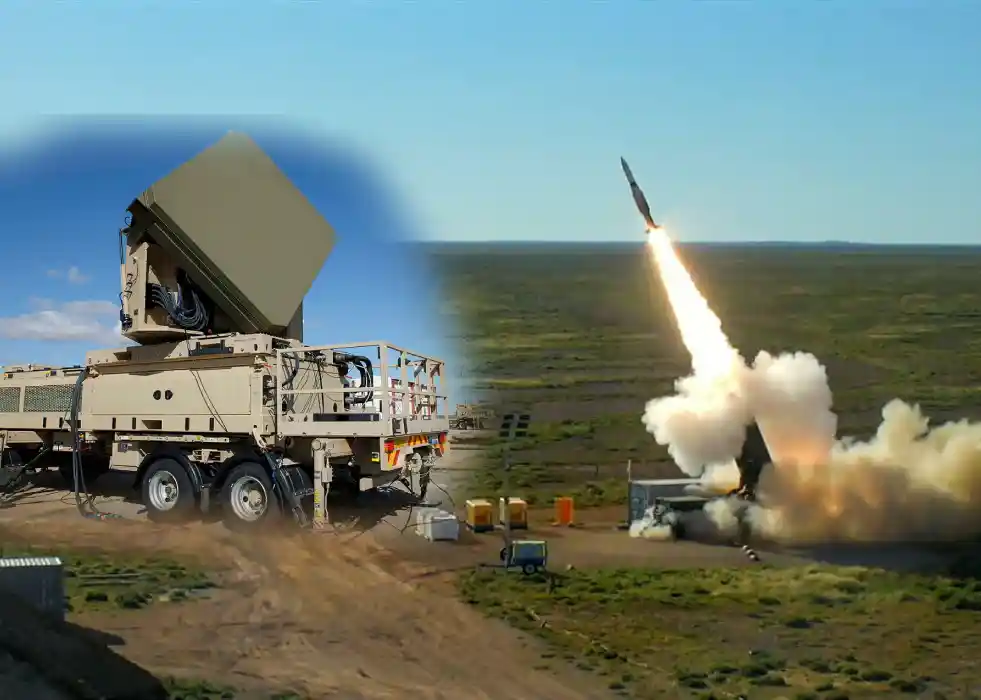
ADF tested a ground-based launcher for the SM-2 naval air defence missile during the Taipan Strike 2026 exercise, in conjunction with the AEGIS combat system.
The Australian Government announced a test exploring the ground-based use of the SM-2 long-range naval air defence missile using a trailer launcher, which appears to be a ground-based single-panel variant of the CEAFAR AESA radar and the AEGIS combat system.
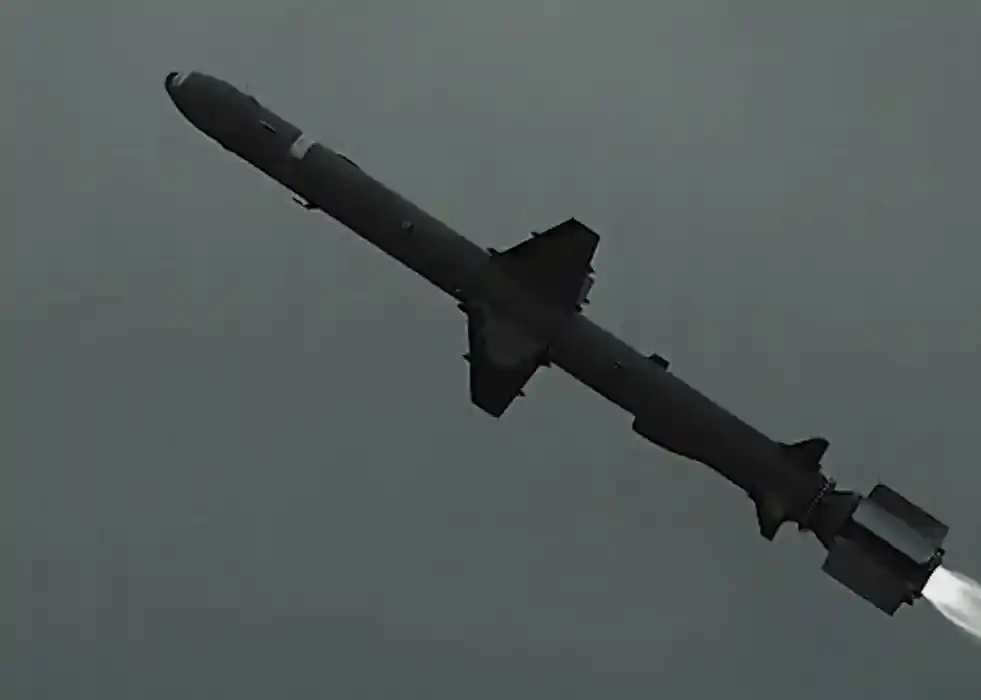
The SM-2 variant was not specified, but it is likely that SM-2 Block III was used as an in-service variant. SM-2 Block III is rated for ranges up to 166+ km and can reach speeds in excess of Mach 3, covering all range regimes as a single-stage missile. Australia previously ordered the newer SM-2 Block IIIC variant with an active RF seeker in 2024, Block IIIA variant with a semi-active RF seeker is in service.
The trailer launcher for SM-2 appears to have canisters significantly longer than the missile, which suggests a provision for the newer and longer ranged SM-6 missile that adopts a two-stage propulsion, capable of reaching a range of more than 240 km.
On the other hand, Australia used its self-developed CEAFAR2 land-based multi-function radar. The radar is related to the CEAFAR dual-band naval AESA radar system used on modernised Anzac-class frigates and Hunter-class frigates to come.
Australia’s land-based air defence at longer ranges has consisted of the NASAMS, which only covers medium range with AIM-120 AMRAAM missiles. The demonstration of SM-2 Block III for land-based use can provide a leap in range while keeping the logistics part practical by sharing the inventory with the Navy.
Author: Kaan Azman
Editor: Özgür Ekşi