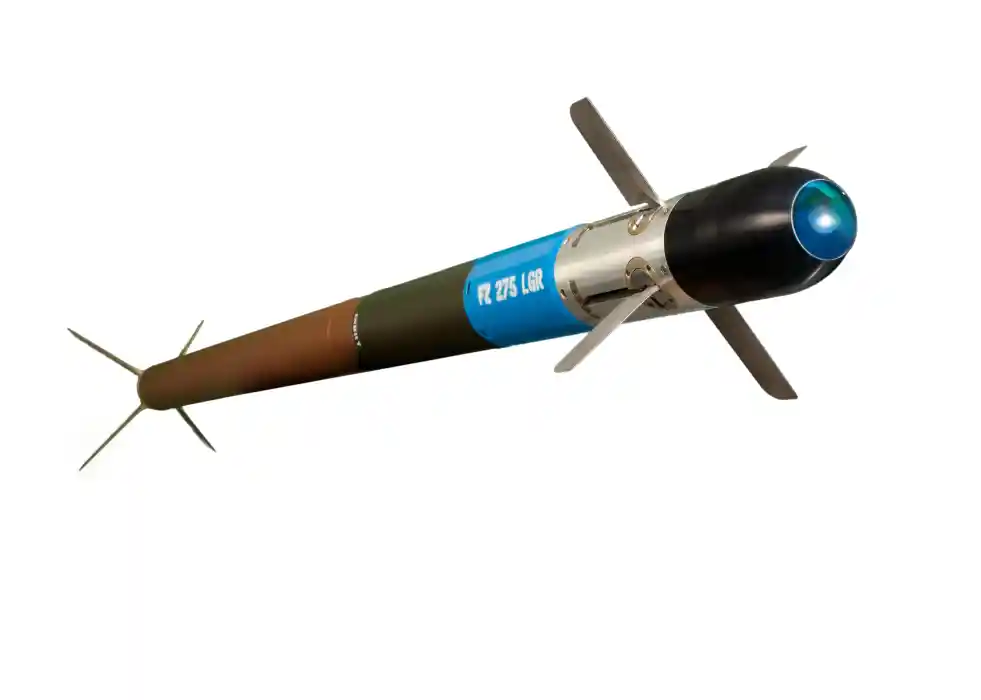
Thales has ramped up its production of FZ275 LGR laser-guided rockets in response to the demand from Middle Eastern countries seeking low-cost C-UAS weapons.
In the aftermath of regular attacks from Iran on a majority of Gulf countries, using slow but cheap kamikaze UAVs like Shaheed-136, the demand for low-cost and more optimised C-UAS options has increased in the Middle East. Thales plans to take a significant share in the new market zone with the FZ275 LGR by ramping up production.
Breaking Defense, present at the tour organised by Thales covering the production of FZ275 LGR, learned that the firm has taken notes on the potential increase in demand and has increased production to build a large stock of its 70 mm laser-guided rocket.
Managing Director at Thales Belgium, Thomas Colinet, stated that the new stock of FZ275 LGRs will be directed towards the Middle East market, expected to request low-cost interceptors in large numbers, including laser-guided rockets.
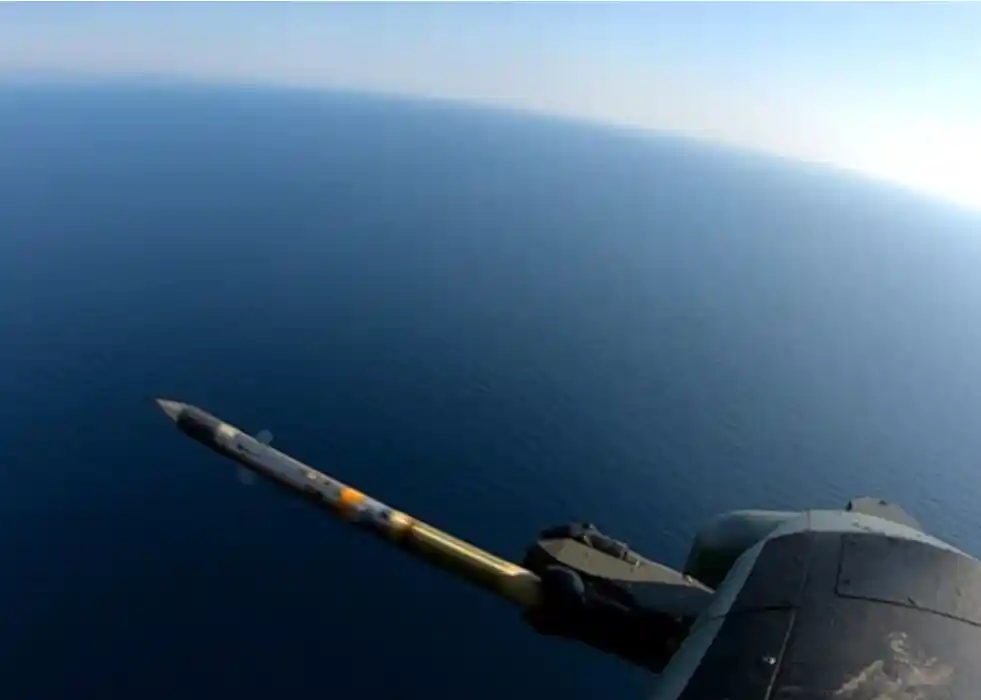
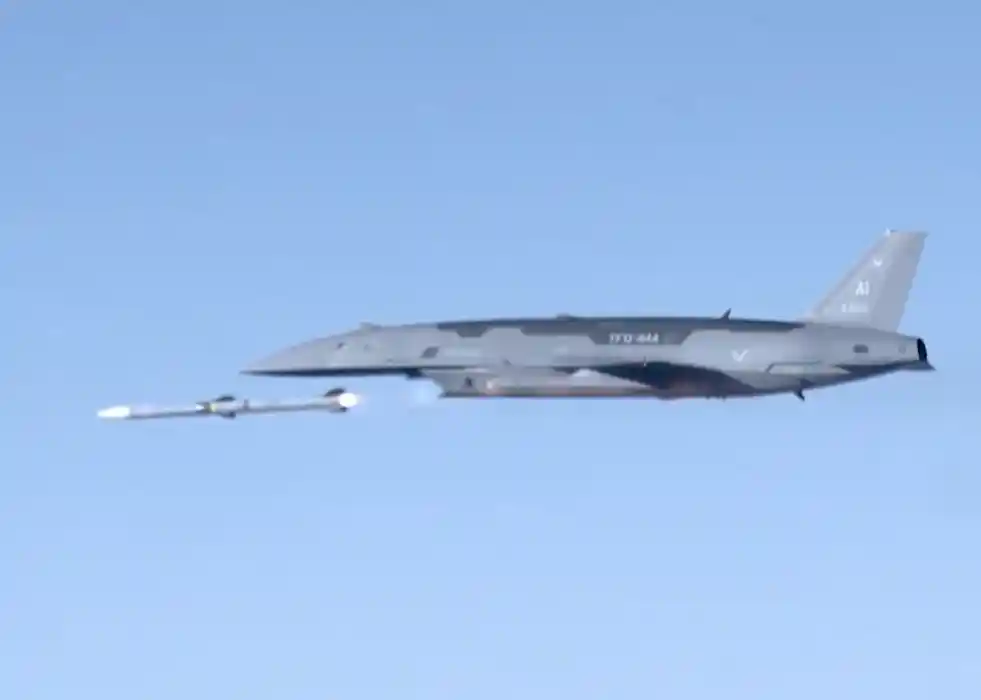
Thales has been pitching FZ275 LGR for both land-based and airborne C-UAS use, encouraged by the recent success of laser-guided rockets against UAVs in both performance and budget friendliness. A recent test was from a Belgian F-16, equipped with pods for FZ275, shooting down a slow-flying UAV using an onboard targeting pod.
Laser-Guided Rockets in C-UAS
Laser-guided rockets, initially designed to complement full-size ATGMs as low-cost guided weapons, have become more prominent in the C-UAS role with the advancements in guidance and control. A laser seeker costing far less than an IR seeker or RF seeker used on anti-air missiles renders these munitions many times cheaper and easier to store.
APKWS, a prominent example in this regard, has been combat-tested in Ukraine and the Middle East against various UAVs from both land platforms and aircraft.
On the other hand, a new option in the market is ROKETSAN’s CİRİT C-UAS, a development of the legacy CİRİT laser-guided rocket, highly optimised for engagements on UAVs. The changes in CİRİT C-UAS with a range of five kilometres include an RF proximity sensor and reworked flight control algorithms against airborne targets. While currently set to be used from the PUSU-C weapon system and KMC-U launcher, it is expected that CİRİT C-UAS will be used on aircraft as well.
Author: Kaan Azman
Editor:Özgür Ekşi