As Baykar is developing and exporting its legacy and new UCAVs, it is receiving attention from the Latin America region seeking alternative providers.
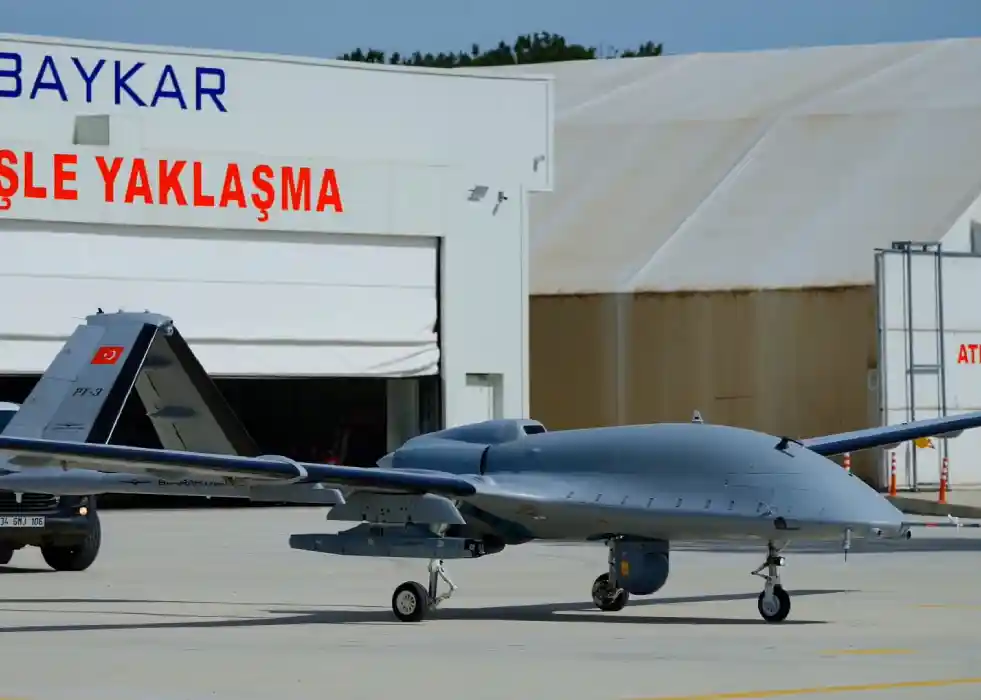
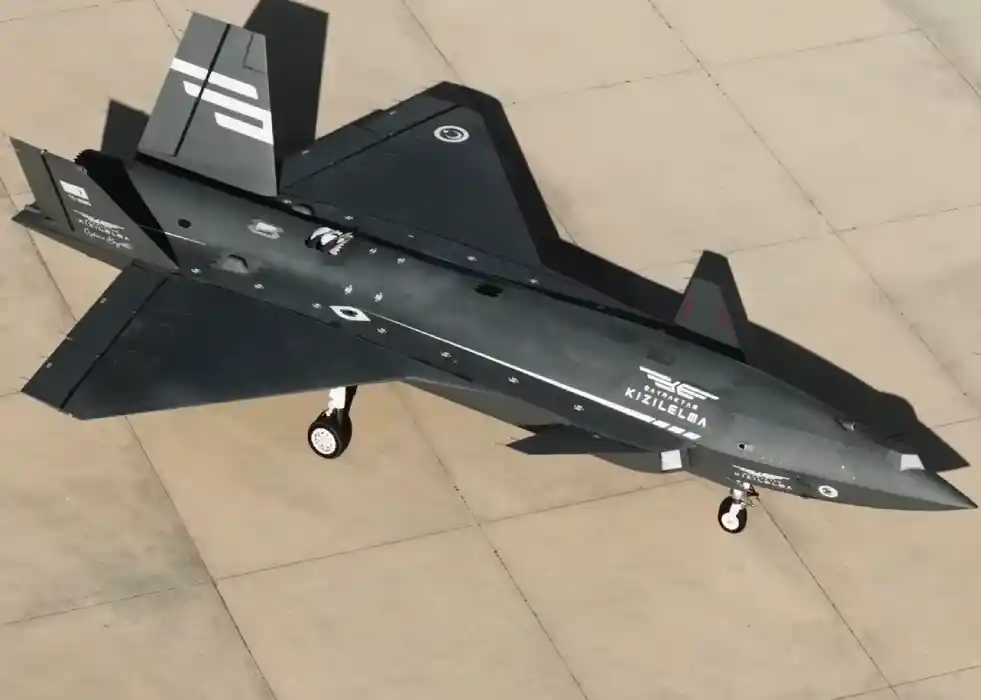
Brazil-based Tecnologia & Defesa* Editor Roberto Bastos Jr. published an analysis of Baykar's evolution from Bayraktar TB2 armed UAV to the new concepts presented by KIZILELMA unmanned fighter and Bayraktar TB3 STOL UCAV.
In less than two decades, Turkey has gone from being an importer dependent on foreign military technology to becoming one of the world's largest powers in the field of combat drones. At the center of this transformation is Baykar, a private Turkish company that has redefined the concept of low-cost, high-persistence, and high-strategic impact air warfare.
Today, the company has become a symbol of the rise of the Turkish defense industry and one of the most influential names in the global aerospace industry. According to estimates, it is widely used in the international defense market, leading more than 65% of the world market for armed drones for export, surpassing traditional competitors from China, Israel and even Western manufacturers in several international contracts.
The Rise
Founded in Istanbul, Baykar started as a family-owned company focused on mechanical engineering and automotive components. The transformation occurred when the company decided to invest heavily in remotely piloted aircraft, at a time when few believed that drones could profoundly alter the global military balance.
The turning point came with the development of the Bayraktar TB2, a MALE (Medium Altitude Long Endurance) drone that would become one of the best-known military aircraft of the 21st century. Compact, relatively inexpensive, simple to operate and highly effective, the TB2 proved that it was not necessary to have fifth-generation fighters to destroy enemy armor, anti-aircraft systems, artillery and logistics centers.
Baykar's international fame grew rapidly after the operational use of Turkish drones in real conflicts: in Syria, the TB2 helped neutralize armored forces and air defense systems; in Libya, they altered the balance of the civil war by destroying mechanized columns and Pantsir systems supplied by the United Arab Emirates; in the Nagorno-Karabakh conflict, Turkish drones used by Azerbaijan devastated Armenian forces, consolidating a new doctrine of warfare based on permanent surveillance and precision strikes.
But it was in Ukraine that the Bayraktar TB2 became a global phenomenon, as already in the first months of the Russian invasion, videos showing TB2 destroying convoys, radars, fuel depots and anti-aircraft systems went viral worldwide. The drone has become a symbol of Ukrainian resistance and has cemented Baykar's reputation as a company capable of producing efficient combat systems on a large scale.
And the success was not only because of the technology, but the real reason was that the company developed an extremely efficient industrial and strategic model: while many countries tried to create sophisticated, expensive drones dependent on endless bureaucracies, Baykar bet on rapid development; scale production; low operating cost; aggressive export; integration with national smart munitions; and constant operational evolution based on real combat.
Global Market
Turkey also realized early on that drones are not just aircraft, but entire ecosystems involving satellites, sensors, communications, artificial intelligence, guided munitions, and electronic warfare. This model has allowed Ankara to offer complete defense packages to dozens of countries.
Bayraktar drones have already been sold or negotiated with more than 30 countries, including NATO members, African countries, nations in the Middle East, Central Asia and Eastern Europe, with their main differentiator being that they offer relevant military capability at a fraction of the cost of American or Israeli systems.
While Western drones often face political constraints, export limitations, and extremely high prices, Turkish systems arrive quickly, have flexible financing, and come with partial technology transfer and operational training. This has turned Turkey into an extremely influential geopolitical actor.
Bayraktar TB3, The Revolution
Baykar is now moving on to a new stage with the Bayraktar TB3, a direct successor to the TB2 and developed for operations both from land bases and in naval environments. The aircraft is designed to operate aboard carriers and amphibious ships such as the Turkish amphibious aircraft carrier TCG Anadolu (L-400), significantly expanding Turkish expeditionary capacity.
The TB3 represents an important strategic leap because it combines folding wings for on-board operations, increased autonomy, SATCOM capability, beyond-line-of-sight employment, and integration with Turkish smart munitions. In practice, the TB3 allows Turkey to project air power without relying exclusively on conventional aircraft carriers or large carrier-based fighters.
The aircraft also demonstrates how Baykar seeks to transform drones into central naval projection, maritime reconnaissance and precision strike platforms. Few countries today have a similar operational concept at such an advanced stage.
KIZILELMA and New Generation
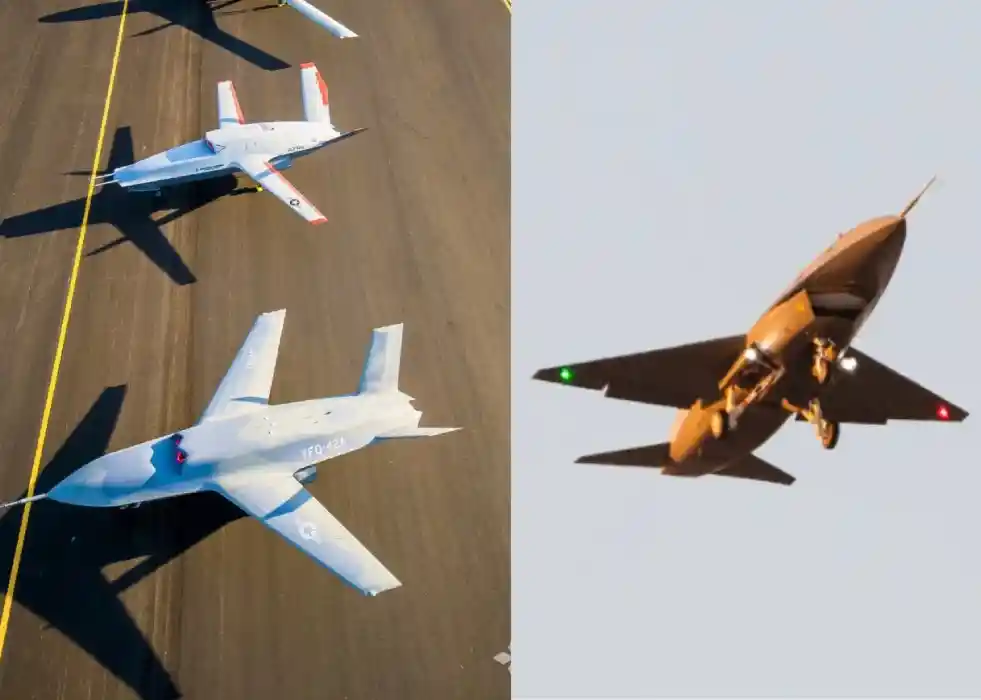
Baykar is now pursuing a new technological leap and the company's major project is the KIZILELMA, an unmanned stealth combat fighter, capable of operating in conjunction with manned aircraft and performing air-to-air and deep attack missions. The idea is clear: to create a partially unmanned air force.
In addition, the company invests in artificial intelligence, advanced autonomy, supersonic drones, naval integration, and coordinated operations between multiple autonomous vehicles.
The Turkish goal is not only to compete in the current drone market, but to lead the next generation of air warfare.
The Baykar case shows that the drone revolution is no longer just a technological trend and has become a central factor of the contemporary military balance. The combination of relative low cost, scale production, real combat experience and export freedom has allowed Turkey to occupy a space that was previously dominated almost exclusively by the United States, Israel and China.
Today, Turkish companies appear in virtually every major international negotiation involving drones, air defense, electronic warfare and autonomous vehicles. And Baykar has become the greatest symbol of this transformation: a company that has moved from experimental projects to leading the world market for combat drones and redefining modern warfare.
-End of the Article-
Article originally published on the Tecnologia & Defesa portal with the title in Portuguese “Senado aprova acordo de cooperação em indústria de Defesa entre Brasil e Turquia” (Senate approves defence industry cooperation agreement between Brazil and Turkiye) on 14/09/2025, and translated and adapted by Paulo Roberto Bastos Jr.
(*) Tecnologia & Defesa (Technology & Defence) was founded in 1983 as a magazine specialising in aerospace defence and public security. Tecnologia & Defesa is the largest and oldest printed magazine in the sector. It is published in Brazil and has a national circulation in South American countries. Since 2025, it has been a partner of TurDef in exchanging information to keep readers updated on the important news occurring between the two countries.