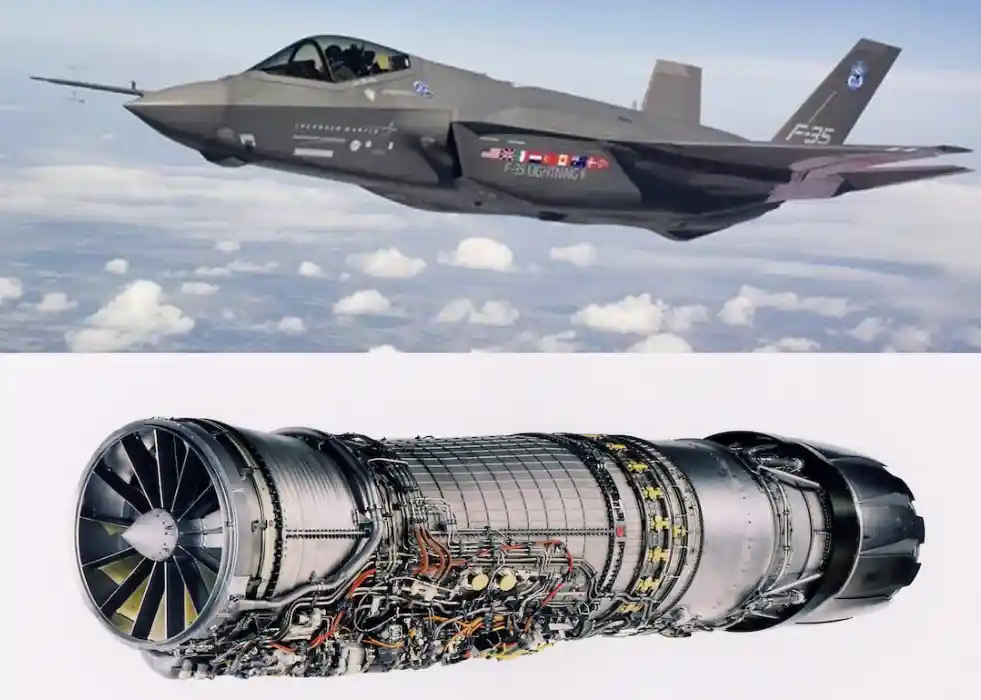
The US congressional review period for the export of General Electric F110-GE-129E/F engines for Turkiye’s KAAN fighter has expired without a blocking resolution, clearing a key legal step for the programme’s initial production phase.
The process began after the US State Department formally notified Congress on June 24 of an engine package worth more than $700 million. The engines are intended to power KAAN, Turkiye’s indigenous combat aircraft, during the programme’s early production phase.
The notification opened a 15-day review period because Turkiye is a NATO ally. During this period, lawmakers could seek to stop the transfer through a joint resolution of disapproval. Such a measure would have needed approval in both chambers and, if vetoed by President Donald Trump, a two-thirds majority in both the House and Senate to override the veto.
Democratic Representative Dina Titus introduced a joint resolution of disapproval on July 2 to block the sale. The initiative followed objections from lawmakers who linked the engine package to Turkiye’s continued possession of the S-400 air defence system.
However, no blocking resolution was adopted before the review period expired. This means the engine package can move to the next procurement and licensing stages without a congressional block.
The result does not mean the engines will be delivered immediately. It removes the congressional review hurdle and allows technical, commercial and export licensing steps to continue between the US administration, GE Aerospace and the relevant Turkish authorities.
The industrial scope of the package remains unclear. GE Aerospace is a shareholder in TEI, Turkiye’s aviation engine company, but it has not been confirmed whether the KAAN engine package will involve production, assembly or licensed work in Turkiye.
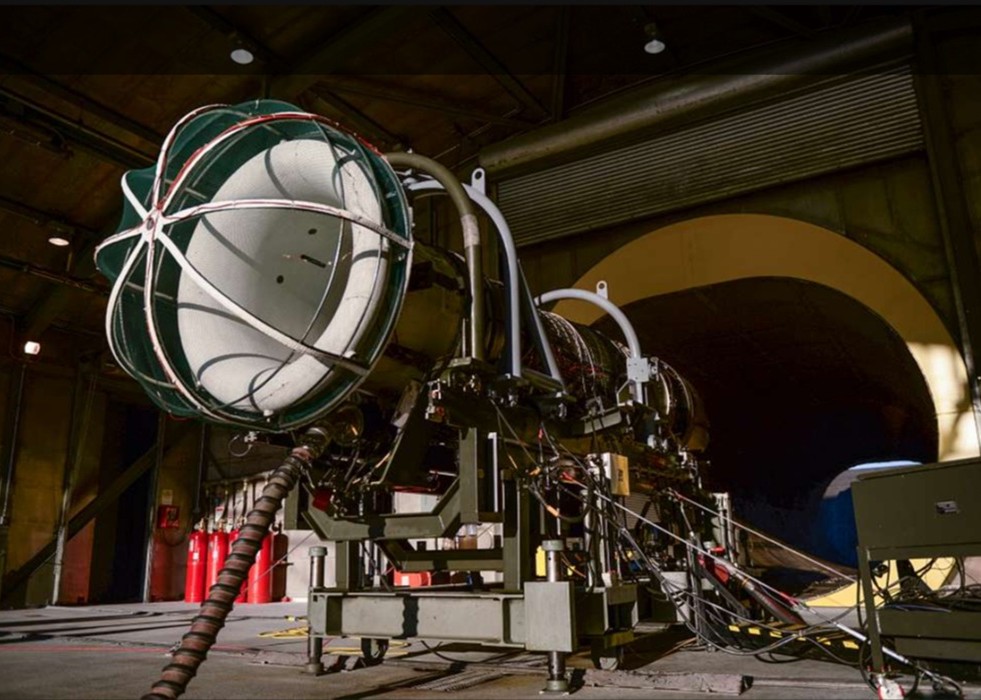
For KAAN, the decision is important because the aircraft’s first production blocks depend on the F110 family before Turkiye transitions to an indigenous powerplant. The KAAN prototype has already flown with F110 engines, while TEI is developing the TF35000 turbofan engine for later production blocks.
The US engine package therefore supports the bridge between prototype flight testing and early serial production. It also reduces one of the near-term political risks around KAAN’s production schedule, although delivery timing, export licensing, integration support and industrial workshare remain decisive for the programme.
Author: Özgür Ekşi