Berlin cites concerns the opposition mayor’s arrest as reasons for Eurofighter veto, but international relations might play a role behind closed doors.
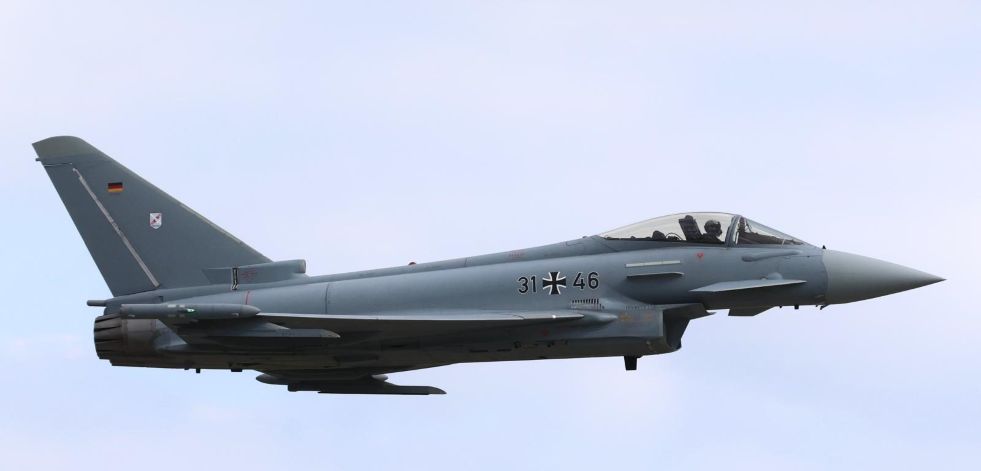
Germany has reportedly vetoed the planned export of Eurofighter Typhoon jets to Turkiye, citing democratic concerns and the arrest of Istanbul’s opposition mayor, Ekrem İmamoğlu. According to a report by the German daily Handelsblatt, the caretaker federal government, currently led by Chancellor Olaf Scholz in an acting capacity, blocked the delivery of approximately three dozen fighter jets (TurDef’s note Turkiye wants 40 jets), despite the United Kingdom’s readiness to proceed with the deal.
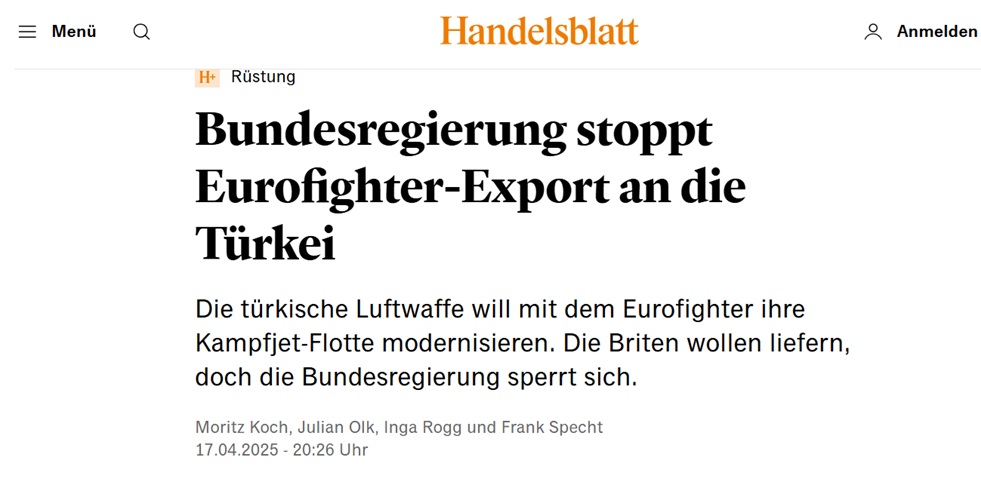
The move is perceived as a direct response to what Berlin describes as “serious violations of democratic principles” in Turkiye. According to German government sources, a major factor in the choice to deny the export permit was İmamoğlu's arrest on corruption allegations. Opposition parties claim that İmamoğlu's arrest is part of a larger effort to stifle dissent before elections, given his status as a major contender to President Recep Tayyip Erdoğan.
During a visit to Istanbul in October 2024, Chancellor Scholz had defended Eurofighter exports to Turkiye by saying, "Turkiye is a member of NATO, and that is why we repeatedly make decisions that lead to concrete deliveries." Recent events, nevertheless, seem to have changed Berlin's stance.
Germany’s export inconsistencies
The veto on Eurofighter deliveries has drawn attention to Germany’s shifting approach to arms exports and the question of consistency. Germany has placed a blanket arms embargo on Saudi Arabia, including on Eurofighter planes, following the assassination of Saudi journalist Jamal Khashoggi at the Saudi head consulate in Istanbul in 2018. Citing Saudi Arabia's involvement in intercepting Houthi-launched missiles aimed at Israeli land, the ban was removed on January 7, 2024 during German Foreign Minister Annalena Baerbock's visit to Israel.
Baerbock also framed the decision as part of Germany’s historical responsibility to protect the security of Israel, rooted in the country’s post-Holocaust foreign policy doctrine.
TurDef argues that Berlin’s decision to greenlight the export of Eurofighters to Saudi Arabia while blocking Turkiye’s raises questions about consistency in its foreign policy.
Regional objections and silent lobbying
Greece, which recently acquired Rafale fighter jets from France, has long expressed unease about Turkiye’s plans to strengthen its air force with Eurofighter Typhoons. Greek officials conveyed their discomfort to British authorities, aiming to build quiet consensus against Turkiye’s prospective acquisition. Although unable to block the platform’s sale directly, Athens attempted to hinder the purchase of Meteor beyond-visual-range missiles manufactured by France’s MBDA. This effort ultimately failed.
US–Israel–Turkiye triangle and shifting options
In a parallel development, Israeli Prime Minister Benjamin Netanyahu travelled to Washington D.C. last week and met with US President Donald Trump. Netanyahu raised concerns about potential conflict with Turkiye in the Syrian theatre during the meeting. However, President Trump’s response was notably firm. Trump advised Netanyahu to act “reasonably”, implying that current Israeli conduct could be interpreted as provocative. While the meeting took place amid strained US–Israel ties, it also reflected the Biden–Netanyahu era’s return to complex transactional diplomacy.
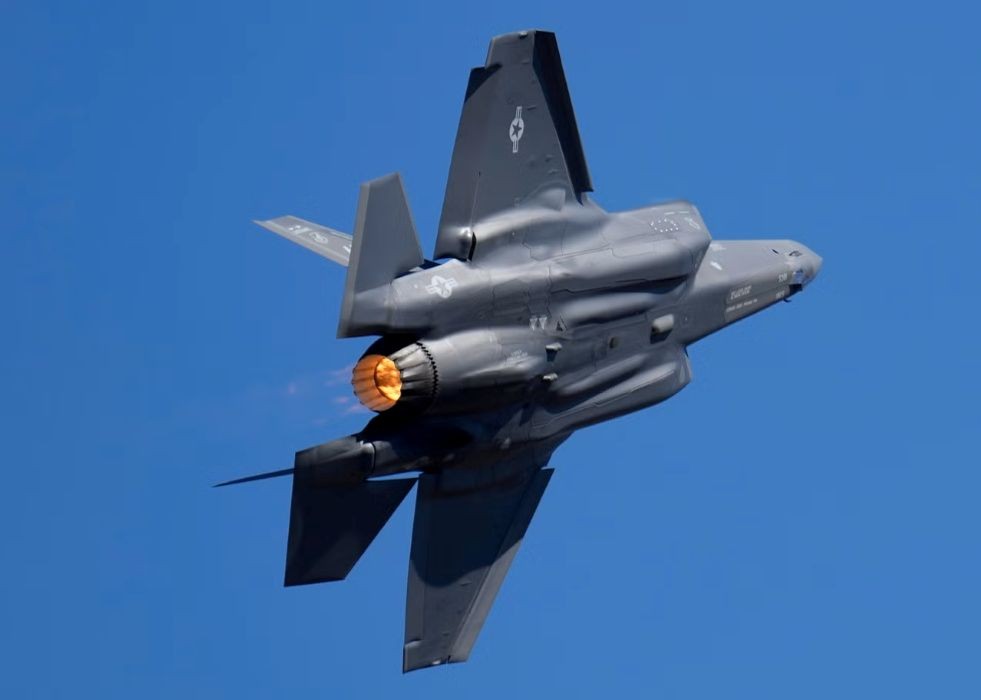
While Turkish-U.S. relations develop, speculation has emerged that Turkiye may reconsider its fighter procurement plans as Turkiye could pivot its interest from the F-16 Block 70s it has requested from the United States to acquire 40 F-35A fighters instead potentially, should diplomatic conditions allow.
Such a shift would represent a strategic turning point, particularly after Turkiye’s removal from the F-35 consortium in 2019. TurDef has claimed that the US had used the acquisition of the Russian S-400 air defence system as an excuse while Turkish-Israeli relations were at their lowest level.
Germany’s veto, therefore, not only reflects Berlin’s response to domestic political developments in Turkiye but also highlights the complex geopolitical web surrounding defence procurement in the Eastern Mediterranean.
Author: Özgür Ekşi