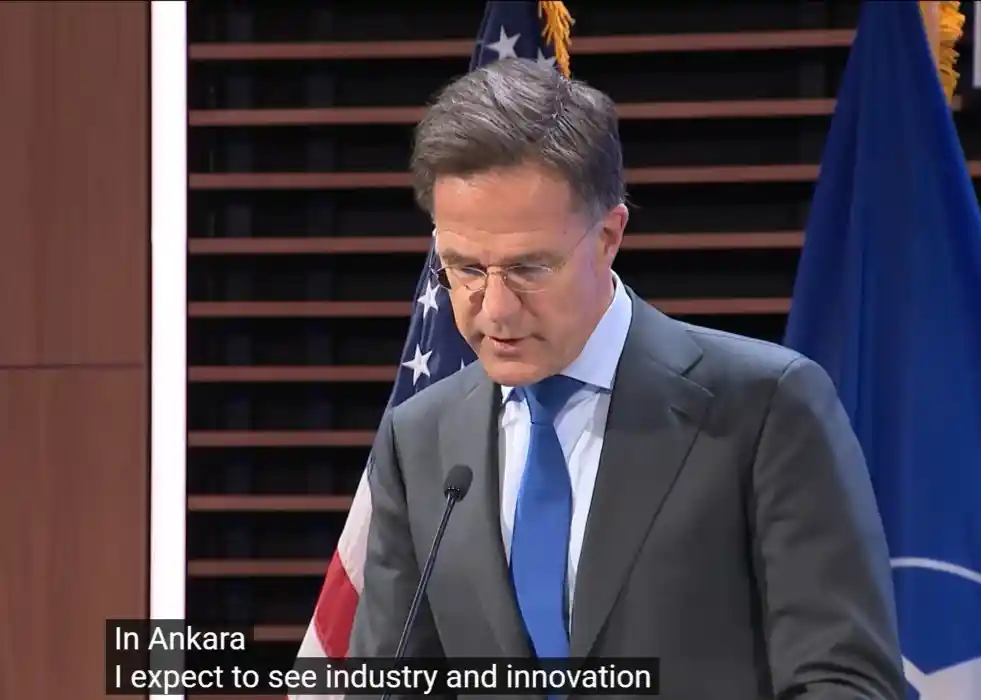
As NATO prepares for what could become a defining summit for the Alliance's defence industrial transformation, Ankara is set to host more than political negotiations alone.
The NATO Leaders' Summit next month will, for the first time, include a dedicated Defence Industry Forum, reflecting a growing recognition that industrial capacity, production resilience and technological innovation have become central to the Alliance's future deterrence strategy.
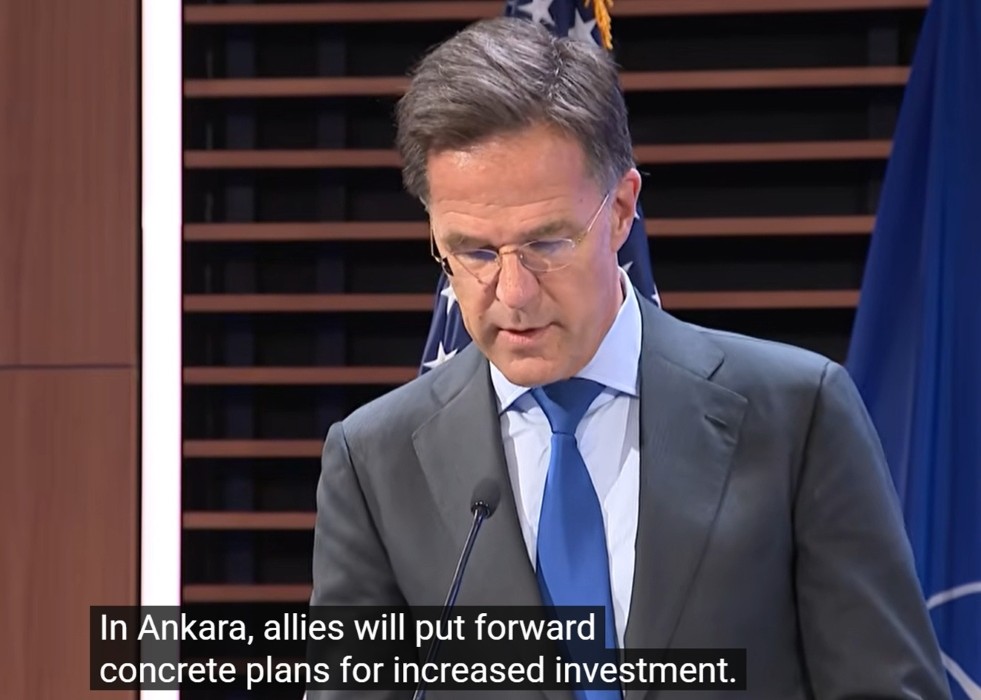
(Screenshot from NATO YouTube Channel)
That message was reinforced by NATO Secretary General Mark Rutte during a speech at the Atlantic Council in Washington on 25 June, where he argued that future security will depend not only on higher defence spending but also on industry's ability to manufacture advanced military capabilities faster, at greater scale and through continuous innovation.
Referring to his visit to ASELSAN's Gölbaşı Technology Base earlier this spring, Rutte said: "This spring, I spoke with talented young engineers at ASELSAN, Türkiye's largest defense electronics company. They are driving Türkiye's defense industrial revolution, which will benefit every member of our Alliance."
ASELSAN was one of several companies Rutte cited while describing the industrial transformation NATO believes is necessary to respond to a more demanding security environment. In the same section of his remarks, he referred to defence technology companies including Anduril, Helsing and Palantir as examples of the innovation and industrial agility the Alliance increasingly sees as critical to maintaining its technological advantage.
Rutte argued that higher defence budgets alone will not be enough unless governments can translate increased spending into sustainable production capacity. His remarks reflected NATO's growing focus on manufacturing resilience, supply chains, engineering talent and the ability to field new technologies rapidly.
The prominence given to defence industry in Ankara marks a notable departure from previous NATO summits, where leaders traditionally concentrated on political consultations, military strategy and alliance decisions before returning home. This year, defence industry itself will become part of the summit agenda, bringing together allied leaders, senior officials and industry executives to discuss expanding production capacity, accelerating investment and strengthening the Alliance's industrial base.
Preparations across the Turkish capital already underline that message. Along the routes expected to be used by heads of state and official delegations, Türkiye has installed large displays showcasing indigenous defence products, signalling the prominence Ankara intends to give its defence industry during the summit.
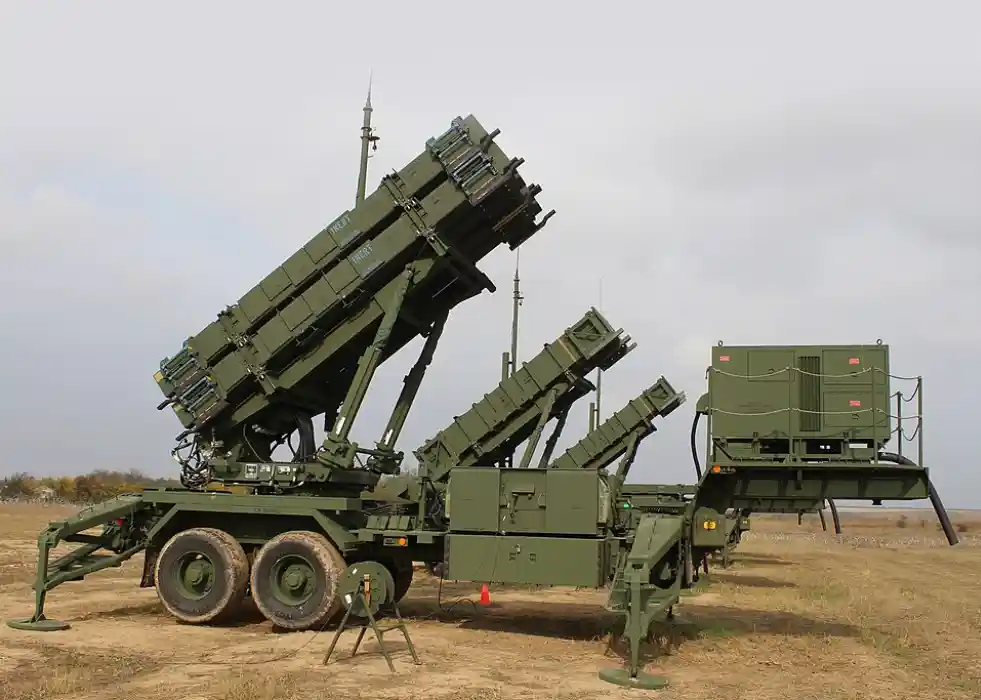
During his April visit to ASELSAN's Gölbaşı Technology Base, Rutte was briefed on the company's multi-domain defence portfolio, including the Steel Dome (Çelik Kubbe) layered air defence architecture, electronic warfare systems, naval technologies, land systems, counter-drone capabilities and unmanned aerial vehicle payloads. The NATO delegation also toured ASELSAN's production and final assembly facilities.
Taken together, Rutte's remarks, the Defence Industry Forum and Ankara's summit preparations suggest that NATO is entering a phase in which industrial capacity will increasingly shape Alliance strategy alongside military capability.
Author: Özgür Ekşi