Turkish Navy’s 2022–2025 Three-Year Activity report outlines Türkiye’s naval operations, modernisation efforts and structural transformations in detail.
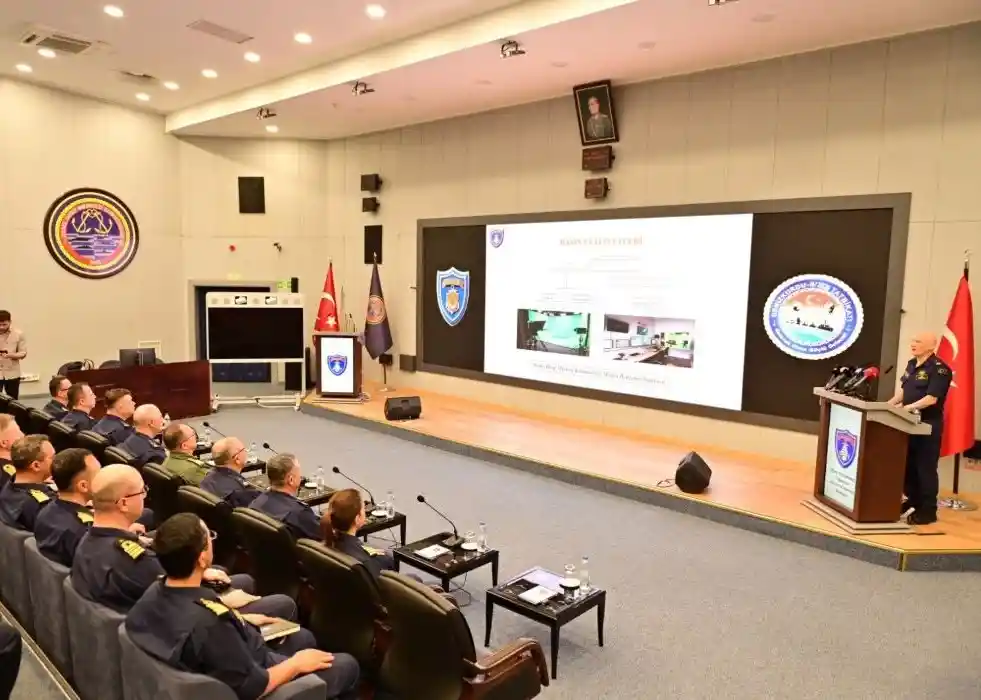
In March 2025, the Turkish Naval Forces Command published its report titled “Activities Carried Out in the Last Three Years,” detailing operations, modernisation programmes, procurement initiatives and command-level changes. The report covers areas such as operational activity, newly launched or completed projects, naval construction, and critical personnel developments.
Indigenous warhead extends torpedo service life; GEZGİN simulation tested
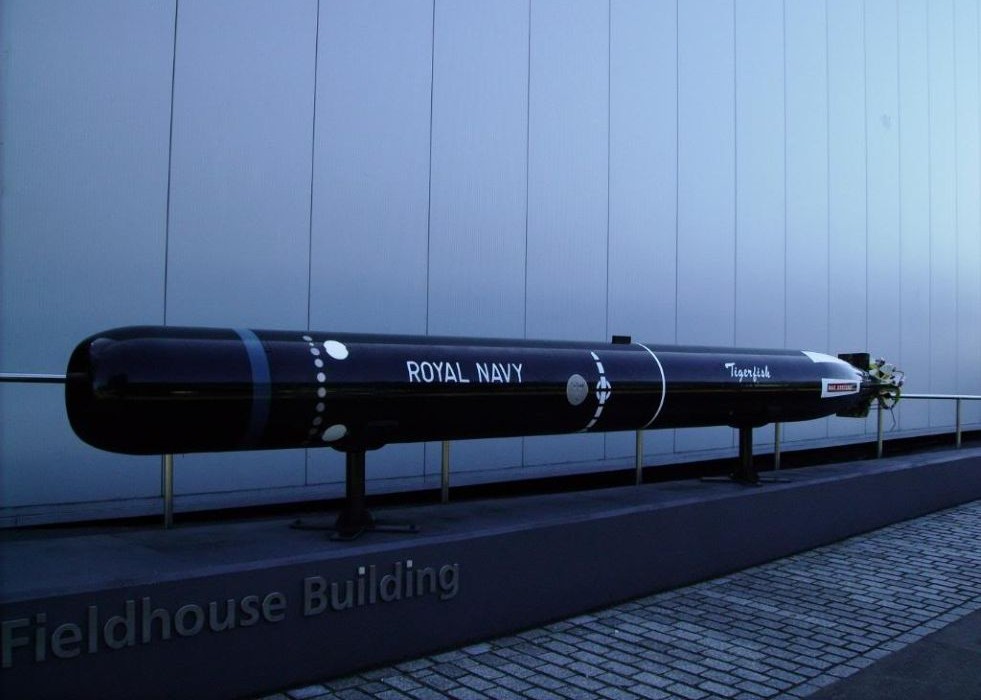
Among the major modernisation highlights, Roketsan developed a national warhead to replace expired warheads in the UK-origin Tigerfish Mk2 submarine torpedoes, bringing them back into active inventory. The original torpedoes used 340 kg Torpex warheads.
In strategic strike capabilities, the GEZGİN long-range land-attack cruise missile saw simulated test launches conducted at Aksaz Naval Base using the domestically developed Submarine Test Infrastructure (DATA). Integration with the indigenous vertical launch system (MIDLAS) is ongoing.
Laser-based protection system NAZAR deployed on warships
The NAZAR laser-based electronic warfare system, designed to counter electro-optic and infrared-guided threats, began shipboard deployment in April 2023. The system provides high-value protection against advanced missile threats—a capability possessed by only a few navies.
In the surface fleet, the first phase of the Barbaros-class Mid-Life Upgrade (B-MLU) programme was completed with TCG Oruçreis in December 2024. The remaining three frigates are scheduled to be modernised by 2028.
Domestic AIP capability and MILDEN construction underway
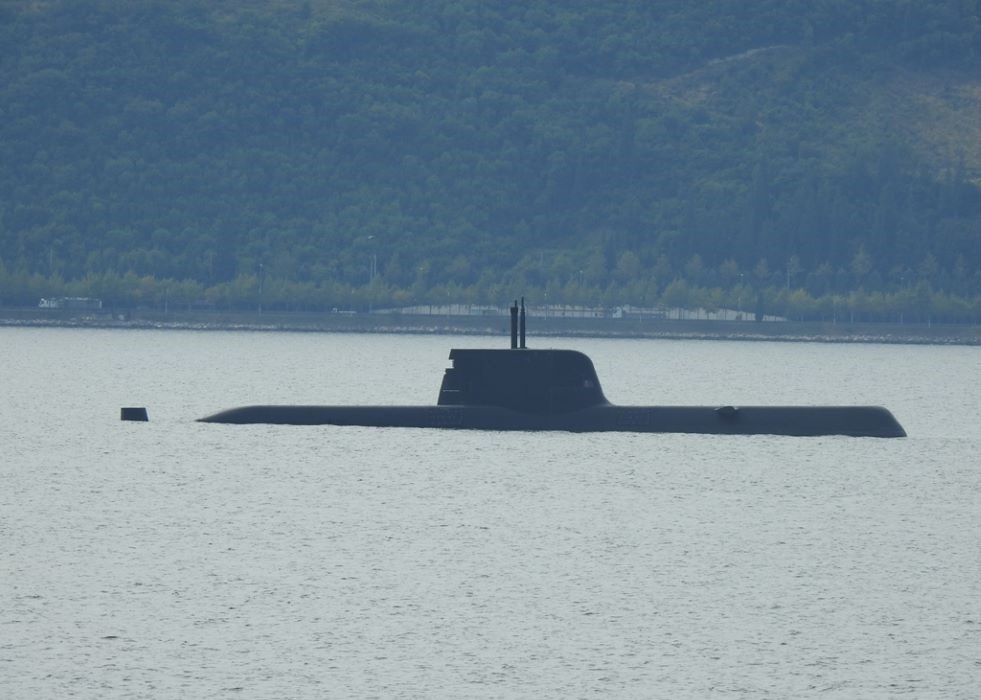
The air-independent propulsion (AIP) system for the REIS-class submarines will now use hydrogen and fuel gases produced by local firms, increasing localisation and supply security.
In the national submarine project (MILDEN), construction of the first of six submarines began in December 2024 and is scheduled to conclude by 2031.
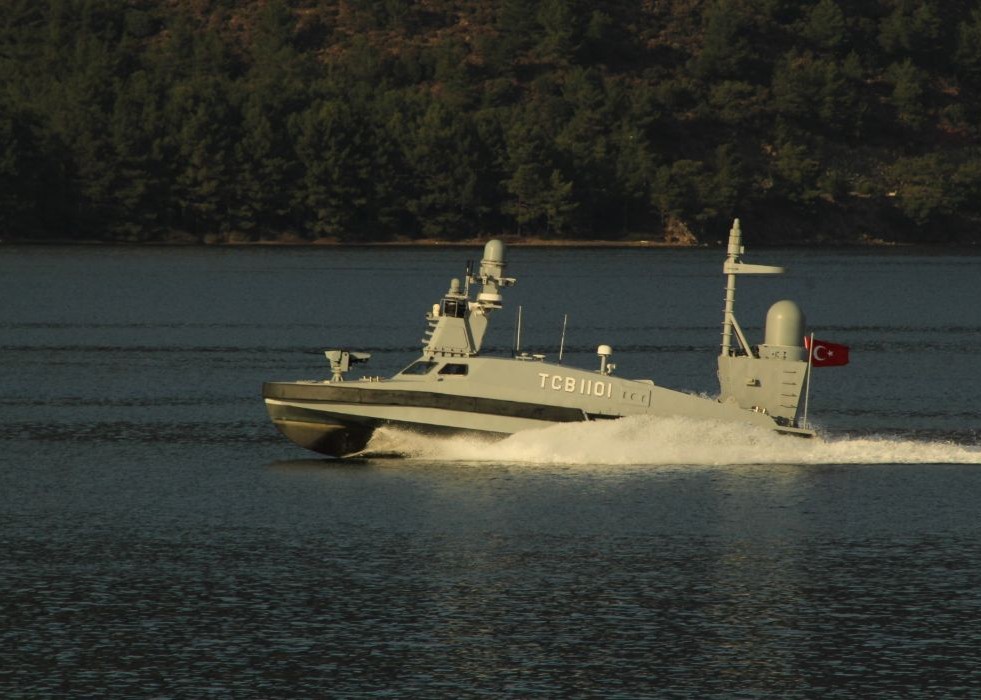
Unmanned surface fleet expands; new FACs planned
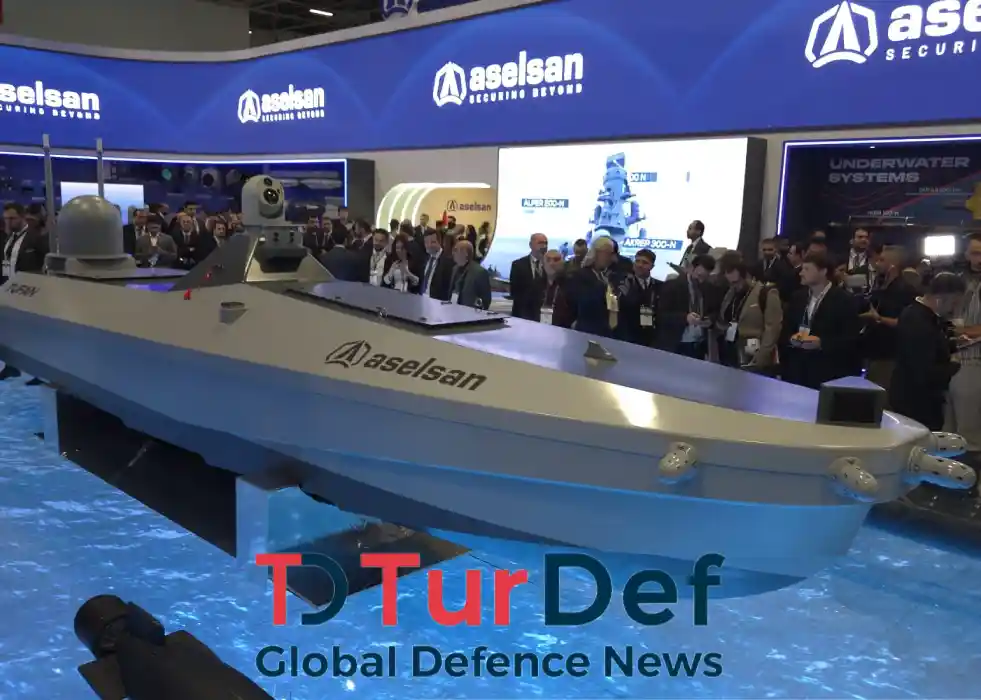
The Navy has ordered four different types of Unmanned Surface Vessels (USVs) and plans to acquire eight Kamikaze USVs (KIDAs). The MARLIN USV entered service in January 2024, with the SANCAR, ULAQ, and SALVO USVs expected to follow in 2025.
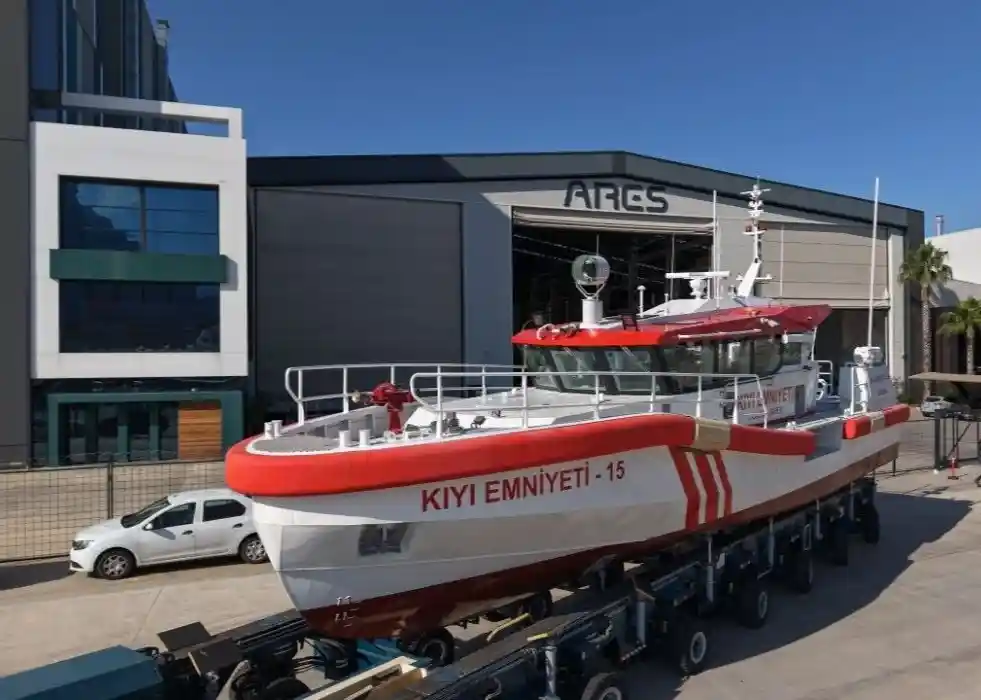
The National Fast Attack Craft (FAC) programme gained momentum with a contract signed in September 2024 for a prototype between the Secretariat of Defence Industries (SSB) and STM. Ten FACs are planned, each 66.35 metres long, 9.34 metres wide, and capable of speeds up to 40 knots.
Smart mines and mine countermeasures modernised
Dearsan signed a contract with SSB in August 2024 to build a new-generation mine countermeasure vessel (MCMV), with delivery scheduled for May 2028. The ship will feature non-magnetic hull construction and deploy both unmanned surface and subsurface vehicles.
The domestically developed MALAMAN smart sea mine, resistant to detection and neutralisation, is now ready.
Amphibious vessels and I-class frigates progress
From two to 10 ships, the Navy plans to grow its Off-shore Patrol Vessel (OPV) fleet. With four more scheduled for 2028, the first two ships—Akhisar and Koçhisar—are anticipated to go into service in 2025. TurDef reminds that as of May, the acceptance tests of TCG Akhisar continues.
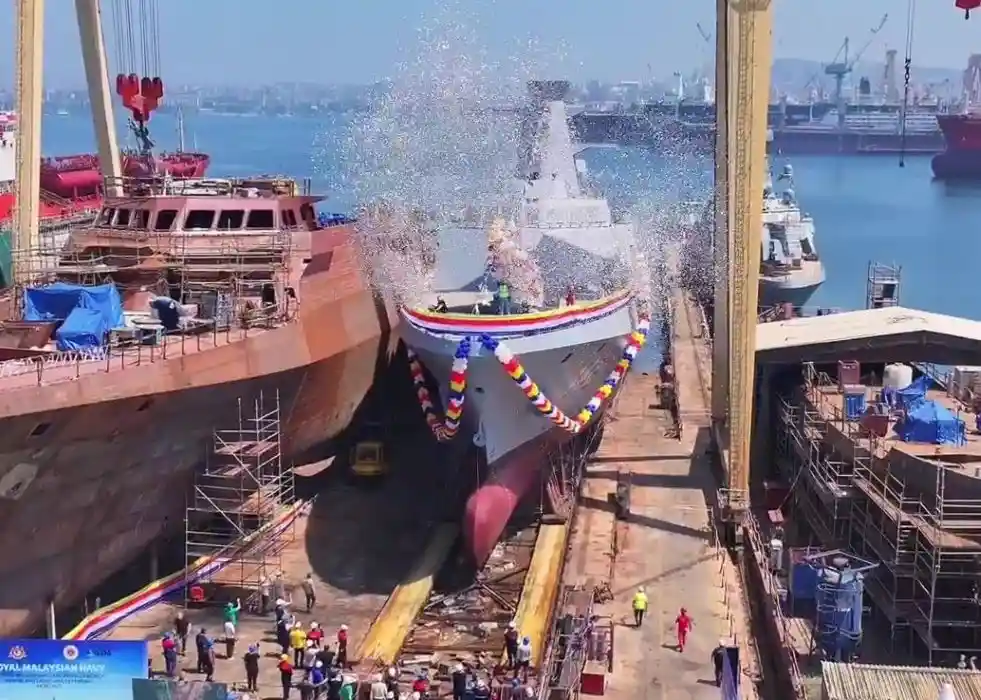
Following the delivery of TCG Istanbul in January 2024, seven more I-class frigates are under construction. HİSAR-D integration is ongoing, while ESSM Block II missile procurement and MIDLAS launch integration are also in progress in cooperation with the NATO SeaSparrow Programme Office and Roketsan.
Helicopter missile upgrades and ASW-capable UAVs
Some 20 SH-70 Seahawk helicopters have been equipped with TEMREN-guided missiles, with full integration expected by the end of 2025. The project also includes a supply of laser and IIR-guided variants. AH-1W Super Cobra helicopters will also undergo similar upgrades, including CİRİT missile modernisation.
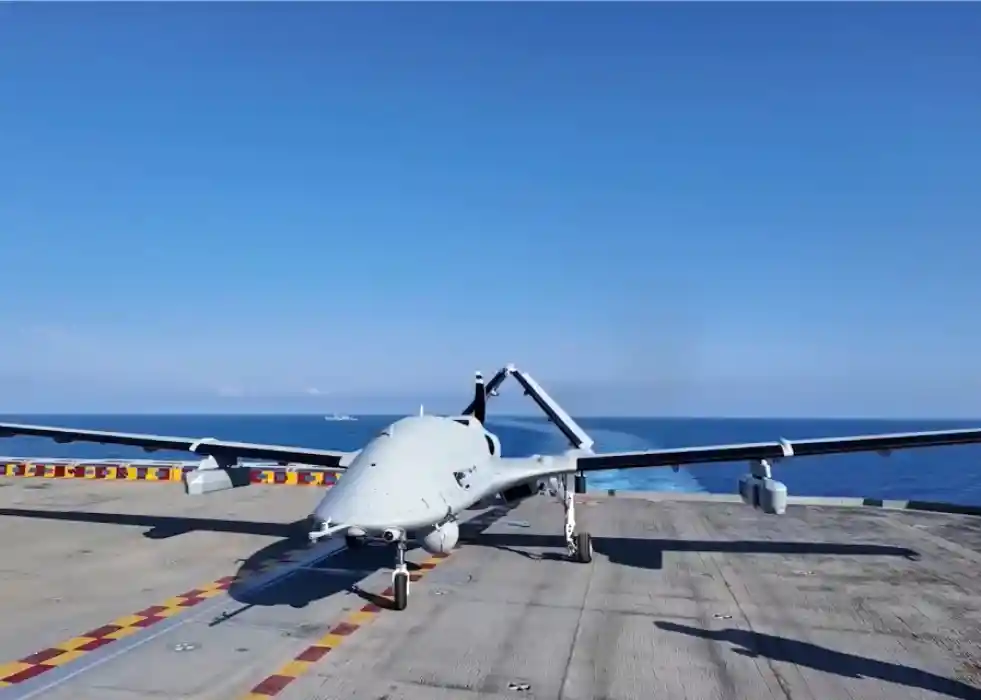
The Aksungur UAV has been equipped with a sonar buoy processing system to enhance Anti-Submarine Warfare (ASW) capability. Field demonstrations are planned for May 2025.
Organisational transformations and new commands
New command structures were introduced: a Deputy Fleet Commander at Vice Admiral rank was established in İzmir, and a Logistic Support Task Group Command at Rear Admiral level was created in Aksaz. Specialised diving and rescue units were consolidated under the new Underwater Operations and Rescue Command in Istanbul.
A dedicated USV Group Command was also activated in Aksaz, and a new Naval UAV Command is in the planning phase to unify UAV squadrons and maintenance units.
Naval unit relocations were implemented: the 1st Corvette Flotilla and Burak-class vessels were moved from İzmir to Mersin, and the 2nd Fast Attack Craft Flotilla was relocated from Gölcük to Foça.
Base defence and forward UAV basing efforts
The base defence has been bolstered with four new anti-drone company-level units established at Çanakkale, Aksaz, Foça and Topel, alongside a drone team at Çanakkale Naval Air Base. A new Naval Air Defence Brigade Command was also established.
Additionally, two new Naval Engineering Battalion Commands were formed to support pier and dock construction. To increase reach in the Black Sea and Eastern Mediterranean theatres, land allocations and infrastructure projects were initiated for UAV operations at airports in Samsun and Çukurova.
Author: Özgür Ekşi